Category Archive

Global Investing

6 articles in this category.

Top 5 Forex and CFD Brokers for Pakistanis

Top 5 Forex and CFD Brokers for Pakistanis

If you are comparing forex and CFD brokers from Pakistan, the real decision is usually about pricing model, platform preference, execution style, and how much risk control you can maintain. Broker branding matters less than whether the account structure fits how you actually trade. This guide compares 5 popular forex and CFD brokers Pakistanis often ask about:Pepperstone IC Markets Fusion Markets Axi ExnessQuick answer If you are building a shortlist on pure trading conditions, Pepperstone and IC Markets are the clearest starting points. Fusion Markets is compelling if keeping headline trading costs low matters most, while Axi and Exness remain strong alternatives depending on platform preference, funding convenience, and your tolerance for leverage-heavy products. Keep reading if you are comparing raw pricing, execution framing, and platform fit rather than just brand familiarity. 1) Pepperstone Pepperstone positions itself around competitive FX CFD pricing, multiple platforms, and fast execution. Its official FX pages emphasize 90+ pairs, spreads from 0.0 on Razor accounts, and a platform stack built for both discretionary and more advanced traders. Pepperstone is best for traders who want strong platform choice, sharp pricing language, and a broker that feels built around active market use rather than casual investing. Entity-level terms matter. The leverage available, protections you receive, and exact account conditions can differ by jurisdiction, so do not assume the headline site copy applies identically to every user. 2) IC Markets IC Markets is built for performance-oriented traders. Its official pages lean hard into raw spreads, fast execution, deep liquidity, and suitability for scalpers, high-volume traders, and automated systems. IC Markets is best for traders who care deeply about execution speed, raw-spread framing, and platform conditions for more active or systematic strategies. The same features that attract advanced traders can be a bad fit for casual users. Very high leverage marketing and execution-heavy messaging can tempt smaller accounts into taking more risk than they can manage. 3) Fusion Markets Fusion Markets differentiates itself on low cost. Its official pages emphasize low commission per side, no minimum account size, and a simpler pitch around making forex and CFD trading cheaper and easier to access. Fusion Markets is best for cost-sensitive traders who want a low-friction starting point and care a lot about commission drag. Cheap trading is not safe trading. Low costs do not reduce leverage risk, and traders still need to check funding methods, product depth, and entity-level protections before committing. 4) Axi Axi positions itself as a global broker with tight spreads, a large product menu, education, and support for platform-based traders. The official site also pushes accessibility through a low starting deposit and a broad international audience. Axi is best for traders who want a mainstream broker brand, a familiar platform environment, and a smoother educational or onboarding layer. High headline leverage and low starting deposits can attract the wrong behavior. Before opening an account, verify which entity you would fall under and what protections, costs, and product restrictions actually apply. 5) Exness Exness leans into stable spreads, fast execution, instant withdrawals, fee-free payment messaging, and always-on support. That makes it stand out for traders who care about operational convenience as much as market access. Exness is best for active traders who value smooth funding and withdrawal workflows alongside regular forex CFD trading access. Do not let operational convenience hide the product risk. Exness still sits in the same leveraged CFD category, and the real account conditions can differ materially by entity and jurisdiction. How to choose your option in 10 minutes Step 1: Match product type to your behaviorDecide whether you are a casual discretionary trader, a scalper, or an automation-heavy trader. Remove brokers whose platform or pricing model does not fit your actual style.Step 2: Stress test your usage assumptionsCheck the exact entity, leverage limits, spreads, commissions, and funding methods available to you. Compare the real cost of your usual setup, not just the headline spread on a major pair.Step 3: Set controls before committingTreat leverage as a risk amplifier, not as a feature benefit. If you cannot define your risk rules in advance, you are not ready to judge brokers properly.FIRE Rule for Leveraged Trading Decisions The best forex and CFD broker is the one that lets you control risk, cost, and execution without adding unnecessary friction. A cheaper spread is meaningless if the leverage, behavior fit, or withdrawal experience pushes you into worse decisions. Comparison Table (Quick View)Option Core proposition Best user profile Cost/value angle Main cautionPepperstone Pricing- and platform-focused forex CFD broker Active traders wanting strong platform choice Good value if execution and multi-platform use matter Jurisdiction-level terms need careful checkingIC Markets Raw-spread, execution-heavy broker for active traders Scalpers, algo traders, and higher-frequency users Strong if raw pricing and speed are your main priorities High-leverage positioning can be dangerous for smaller accountsFusion Markets Low-cost broker with simple pricing pitch Cost-sensitive traders and smaller active accounts Attractive if commission drag is your main concern Cheap pricing does not reduce leverage riskAxi Mainstream global broker with education and broad product access Traders wanting a familiar broker experience Useful if onboarding and education matter alongside trading access Starting-deposit ease can encourage poor risk disciplineExness Operationally convenient broker with strong funding/withdrawal messaging Active traders who care about money movement speed Valuable if smooth operations matter to you Entity-specific conditions can differ materiallyOfficial Product PagesPepperstone IC Markets Fusion Markets Axi ExnessImage Credit Feature image source: Unsplash. User-provided credit: Jason Leung.

Read article
Top 5 International Wallets and Cross-Border Accounts for Pakistanis

Top 5 International Wallets and Cross-Border Accounts for Pakistanis

Pakistan-based freelancers, remote workers, and global earners often need more than a local bank account. The better cross-border setup depends on whether you mainly want to receive client payments, hold foreign currency, send money home, or spend internationally. This guide compares 5 popular cross-border accounts Pakistanis often ask about:Wise Payoneer Elevate Pay nsave FassetQuick answer If you mainly receive freelance or platform income, Payoneer and Elevate Pay are the most practical starting points in this list. Wise remains excellent for low-friction international money movement, but you need to verify current Pakistan-specific account availability carefully. nsave and Fasset are more interesting if you want a broader borderless account story, but both require more due diligence on structure, protection, and product scope. 1) Wise Wise positions itself as an international account for sending, spending, converting, and in many regions holding multiple currencies. Its product pages emphasize low-fee transfers, mid-market exchange-rate framing, and a multi-currency account experience rather than a Pakistan-specific wallet product. Wise is best for users who already have access to its supported account features and want a very clean way to move money across currencies with transparent pricing. This is the most important caution in the list: Wise’s help material says USD account details are unavailable for addresses in Pakistan, and product features vary by region. Treat Wise as a verify-first option, not as an automatic full-wallet solution for every Pakistan-based user. 2) Payoneer Payoneer is built around cross-border business payments, marketplace payouts, local receiving accounts, and local withdrawals. Its official pages focus more on global work and digital business payments than on casual consumer wallet use. Payoneer is best for freelancers, agencies, online sellers, and service providers who receive money from international clients or platforms and want a mature global-payments stack. Payoneer is not the cleanest option for someone who only wants a simple personal travel wallet. Fees, card availability, and local withdrawal economics should be checked against your exact income pattern before you treat it as an everyday money app. 3) Elevate Pay Elevate Pay is explicitly built for remote professionals in Pakistan. Its Pakistan page focuses on receiving USD, holding and moving funds, quick local withdrawals, and sending to local banks or mobile financial services. Elevate Pay is best for Pakistan-based remote workers and freelancers who earn in USD and want a product designed around that exact flow. The onboarding requirements are more specific than a generic wallet. Elevate Pay asks for verification documents, including proof of earnings, so it is a better fit for real documented income than for casual experimentation. 4) nsave nsave presents itself as a global account with USD, GBP, and EUR functionality, cross-border send-and-receive features, Mastercard support, and even access to US stocks and ETFs. That makes it broader than a simple wallet and closer to a borderless finance app. nsave is best for users who want one app that can combine multi-currency holding, international payments, card spending, and some investing access. nsave’s disclosures make it clear that some products are provided through non-bank payment institutions and different regulated entities. That does not make it unusable, but it does mean you should understand the account structure and protection model before parking large balances there. 5) Fasset Fasset positions itself as a stablecoin-powered, interest-free global account that combines cross-border money movement, a card, and access to multiple asset types. It is a broader and more experimental proposition than a standard receive-and-withdraw wallet. Fasset is best for users who are already comfortable with crypto-linked infrastructure and want one platform for borderless payments, card spending, and broader digital-asset access. This is not a plain vanilla bank substitute. Product availability differs by country, and the mix of crypto, tokenized assets, and app-based account features adds more complexity than many users actually need. How to choose your option in 10 minutes Step 1: Match product type to your behaviorIf you get paid by clients or platforms, start with products built for incoming global earnings. If you mainly want transfers and FX efficiency, prioritize the simplest account that supports your region.Step 2: Stress test your usage assumptionsCheck whether Pakistan addresses are fully supported for the feature set you want. Confirm local withdrawal, account-detail, and card availability before you onboard.Step 3: Set controls before committingKeep your use case narrow: receiving income, holding FX, sending home, or spending abroad. Do not hold large balances until you understand the provider, entity, and protection model.FIRE Rule for Cross-Border Account Decisions The best international wallet is the one that solves your actual cross-border problem with the least friction and the least structural complexity. More features are not automatically better if you only need clean receiving, low-cost conversion, and simple withdrawals. Comparison Table (Quick View)Option Core proposition Best user profile Cost/value angle Main cautionWise Global multi-currency transfer and account platform Users with supported access who want low-friction FX and transfers Strong value when feature availability matches your region Pakistan-resident feature access needs careful verificationPayoneer Cross-border payments stack for freelancers and businesses Freelancers, agencies, sellers, and marketplace earners Useful when receiving global income is your main job to be done Not the simplest fit for purely personal wallet useElevate Pay Pakistan-focused USD receiving and withdrawal flow Remote professionals in Pakistan earning abroad High practical value for a narrow but common use case Requires stronger verification and proof-of-earnings flownsave Borderless account with cards, payments, and extra finance features Users wanting one app for currencies, transfers, and some investing Attractive if you want broader functionality in one place Understand the entity structure before keeping large balancesFasset Hybrid global account with crypto-linked and cross-border features Users comfortable with digital-asset infrastructure Can be compelling if you want one broader borderless-finance app More complexity and product risk than a basic walletOfficial Product PagesWise Payoneer Elevate Pay nsave FassetImage Credit Feature image source: Elevate Pay.

Read article
Top 5 Multi-Asset Brokers for US Stocks, ETFs, and Options from Pakistan

Top 5 Multi-Asset Brokers for US Stocks, ETFs, and Options from Pakistan

Pakistan-based investors looking beyond PSX usually end up comparing a small group of international brokers and introducing brokers. The better fit depends on whether you value direct global access, lower commissions, easier support, or a broker setup that feels less intimidating at the start. This guide compares 5 popular global brokers Pakistanis often ask about:Interactive Brokers CapTrader Zacks Trade TradeStation Global MEXEMQuick answer If you want the clearest direct route into global markets, Interactive Brokers is still the benchmark in this list. CapTrader, Zacks Trade, TradeStation Global, and MEXEM are more relevant when you want a different fee structure, a different support layer, or a more tailored wrapper around broader market access. Keep reading if you are deciding between direct IBKR-style access and broker arrangements that feel more guided. 1) Interactive Brokers Interactive Brokers is the most direct global-access story here. Its official pages highlight access to stocks, options, futures, currencies, bonds, and funds across 170+ markets from one platform, which is exactly why it remains the reference point for serious self-directed global investors. Interactive Brokers is best for investors who want broad market access, direct control, and a broker that can scale with a more advanced portfolio over time. The breadth comes with complexity. New investors often underestimate the learning curve around platform setup, funding, tax forms, permissions, and product selection. 2) CapTrader CapTrader positions itself as a global broker with access to more than 170 markets, 29 currencies, and a very wide product menu across stocks, ETFs, options, futures, forex, and more. Its public material also leans more into education and options trading support than many simple retail broker pitches. CapTrader is best for investors and active traders who want broad global access but also value a more guided broker experience and stronger options-related emphasis. Do not choose it only because the product menu is huge. You still need to compare the real fee schedule, platform workflow, tax-document handling, and whether the support layer matters enough for your use case. 3) Zacks Trade Zacks Trade is very clearly aimed at active traders. Its official site emphasizes low-cost stock and ETF trades, low option-contract pricing, lower margin rates, and research tools tied to the Zacks ecosystem. Zacks Trade is best for active self-directed traders who want market access plus a recognizable research-and-support angle. This is not the cleanest beginner-first setup for someone who only wants to buy a few ETFs and ignore markets for years. Margin, options, and an active-trading tilt can pull the wrong user into unnecessary complexity. 4) TradeStation Global TradeStation Global is generally positioned as an international route into a TradeStation-style trading experience for non-US clients. The product is usually relevant to users who want international brokerage access with a more trading-oriented platform identity than a plain basic broker dashboard. TradeStation Global is best for internationally minded traders who care about platform experience and want to explore a trading-oriented setup rather than a bare-bones investing flow. This is the name in the list that most needs a verify-first approach. Confirm current Pakistan onboarding eligibility, entity structure, pricing, and support path directly from the latest official material before treating it as a live option. 5) MEXEM MEXEM positions itself as a full-package broker with access to global stocks, ETFs, options, futures, bonds, and more from a single account. Its public materials also emphasize local support and a broad international product range rather than a narrow single-asset pitch. MEXEM is best for users who want broad global access but still value the idea of a more service-led broker relationship instead of using the largest direct broker brand by default. Product breadth can look attractive, but it can also create unnecessary complexity for basic long-term investors. Compare the real commission model, support quality, and funding practicality before you assume it beats the simpler direct route. How to choose your option in 10 minutes Step 1: Match product type to your behaviorDecide whether you want direct global brokerage access or a more guided broker relationship. Remove options that feel built for active trading if your real plan is passive long-term investing.Step 2: Stress test your usage assumptionsCheck onboarding from Pakistan, funding routes, permissions, and base-currency handling. Review the exact commissions on the products you will actually trade, not the ones you admire in theory.Step 3: Set controls before committingKeep your product list honest: stocks and ETFs only, or options too. If you are new, start with the platform that makes disciplined investing easier, not more exciting.FIRE Rule for Global Broker Decisions The best broker is the one that gives you the market access you need without pushing you into unnecessary complexity. More instruments and more trading tools are not automatically better if your real goal is simply to buy and hold a sound portfolio. Comparison Table (Quick View)Option Core proposition Best user profile Cost/value angle Main cautionInteractive Brokers Direct global multi-asset broker with very broad market reach Serious self-directed investors and advanced users Strong value if you want one scalable global platform Complexity can overwhelm beginnersCapTrader Global broker with wide product range and stronger guidance feel Active investors who want support plus breadth Useful if the service layer matters to you Compare the real fee and support tradeoff carefullyZacks Trade Active-trader broker with research and lower listed trading costs Traders who want research plus platform access Attractive for active use, especially around options and margin Can be too trading-heavy for simple investorsTradeStation Global Trading-oriented international brokerage route Users prioritizing platform experience and trader workflow Potential value if the structure fits your market-access needs Pakistan availability and current setup need fresh verificationMEXEM Broad-access service-led multi-asset broker Users wanting global access with added support layer Good if you want breadth without defaulting to the biggest name Extra features are not always useful for basic investingOfficial Product PagesInteractive Brokers CapTrader Zacks Trade TradeStation Global MEXEMImage Credit Feature image source: Unsplash. User-provided credit: Kanchanara.

Read article
Top 5 Payment Gateways in Pakistan

Top 5 Payment Gateways in Pakistan

For Pakistan-based online merchants, a payment gateway is not just a checkout tool. It affects transaction success, integration effort, settlement flow, and how many customers actually complete payment. This guide compares 5 popular payment gateways Pakistanis often ask about:XPay PayFast HBLPay Checkout Bank Alfalah IPG PayProQuick answer If you want the safest short list for a formal online business in Pakistan, start with PayFast, HBLPay Checkout, and Bank Alfalah IPG. XPay is interesting if onsite checkout and routing flexibility matter to you, while PayPro is attractive if you want a wider collections stack that also covers invoicing and over-the-counter flows. Keep reading if you are deciding between bank-backed acquiring, local PSP scale, and a more flexible payments layer. 1) XPay XPay focuses heavily on onsite checkout, dynamic routing, developer friendliness, and merchant flexibility. Its official pages pitch it as a way to reduce payment friction and improve transaction success rather than just as a basic redirect gateway. XPay is best for merchants who care about checkout conversion, want a cleaner onsite payment experience, and are comfortable working with a more modern payments stack. The commercial setup can depend on the merchant IDs and acquiring relationships behind your implementation. Verify settlement terms, supported instruments, and exactly which gateways or banking partners are live for your business category. 2) PayFast PayFast presents itself as a licensed local payments platform with cards, bank accounts, wallets, and QR-based rails. Its official public material also highlights a first-mover position around Raast P2M merchant payments, which matters for local checkout relevance. PayFast is a strong fit for merchants who want a local PSP-style platform with broad payment-method coverage and strong Pakistan e-commerce familiarity. Do not assume your category will get the same commercial terms as a large enterprise merchant. Check integration support, onboarding requirements, settlements, refunds, and actual success rates for your business model. 3) HBLPay Checkout HBLPay Checkout is positioned as a single integration for card schemes, account-based payments, and wallet-based flows. The official HBL page also highlights multicurrency support, recurring transactions, and plugins for faster merchant onboarding. HBLPay Checkout is best for merchants who want a bank-backed payment stack with broader formal infrastructure and support for more than one payment mode. Bank-backed solutions can bring more structure, but they can also mean more formal onboarding and operational checks. Confirm the exact instruments, currencies, plugins, and merchant category fit available to your business today. 4) Bank Alfalah IPG Bank Alfalah’s retail payment solutions page combines POS and internet payment gateway capabilities under one merchant offering. The IPG section emphasizes MPGS power, card-scheme coverage, PKR and USD support, tokenization, recurring payments, and a real-time merchant portal. Bank Alfalah IPG is best for established merchants who want a recognized acquirer relationship and a card-heavy gateway with broader enterprise-style features. This kind of setup is often better suited to more formal businesses than to very small experimental stores. Check onboarding documentation, rollout timelines, and whether the bank’s merchant process fits your speed requirements. 5) PayPro PayPro goes beyond checkout and positions itself as a one-window collections platform for digital invoicing, payment gateway integration, OTC collections, and recurring billing. Its gateway pages also emphasize cards, wallets, online banking partners, and local merchant integrations. PayPro is best for businesses that want a broader collections workflow, not just a card checkout button on a website. PayPro states that charges vary by business, and its refund timelines can be materially longer than what some merchants expect. Make sure the commercial model and operational processes fit your customer-support burden. How to choose your option in 10 minutes Step 1: Match product type to your behaviorDecide whether you need only checkout, or a broader payment-and-collections workflow. Remove options that do not support the payment instruments your customers actually use.Step 2: Stress test your usage assumptionsCheck merchant onboarding, plugin support, API quality, and refund handling before you sign. Ask about settlement timing and failed-payment handling, not just headline transaction success.Step 3: Set controls before committingRun a short commercial comparison based on your expected transaction mix. Keep one backup plan in case a gateway category review or technical issue slows your launch.FIRE Rule for Payment Gateway Decisions The best payment gateway is the one that increases successful collections without adding operational drag. A slightly better sales pitch means very little if the gateway creates integration headaches, settlement friction, or poor refund handling. Comparison Table (Quick View)Option Core proposition Best user profile Cost/value angle Main cautionXPay Modern onsite gateway with routing and merchant flexibility Merchants optimizing checkout conversion and custom integrations Strong if better approval flow matters more than bank branding Verify the underlying commercial setup and partner coveragePayFast Local PSP-style platform with broad instrument coverage Merchants wanting strong Pakistan payments familiarity Good if you want local relevance plus multiple payment methods Commercial terms and service fit still need merchant-level checkingHBLPay Checkout Bank-backed ecommerce stack with cards, accounts, and wallets Formal businesses wanting broader acquiring structure Valuable if you need multicurrency or recurring support Onboarding can be more formal and process-heavyBank Alfalah IPG Acquirer-led internet gateway with strong card capabilities Larger or more formal merchants wanting bank-led merchant services Strong for card-heavy merchants needing enterprise-style tools May be heavier than small merchants actually needPayPro All-in-one collection platform with gateway and invoicing support Businesses needing more than a simple checkout page Useful when collections workflow breadth matters Refund and operational timelines should be checked carefullyOfficial Product PagesXPay PayFast HBLPay Checkout Bank Alfalah IPG PayProImage Credit Feature image source: Unsplash. User-provided credit: SumUp.

Read article
Top 5 Remittance Apps to Send Money to Pakistan

Top 5 Remittance Apps to Send Money to Pakistan

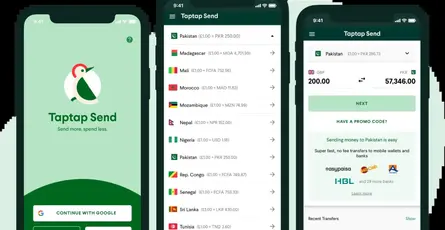
If you need to send money to Pakistan, the best service usually depends on speed, payout method, fee visibility, and how easy it is for your recipient to receive the funds. This guide compares 5 popular remittance services Pakistanis often ask about:TapTap Send Remitly WorldRemit ACE Money Transfer MoneyGramQuick answer If you want a simple app-led option with strong Pakistan-specific positioning, TapTap Send and Remitly are the clearest starting points. If payout flexibility matters more, WorldRemit, ACE Money Transfer, and MoneyGram are all worth a closer look because they support multiple ways for recipients to get funds. Keep reading if you are deciding between bank deposit, mobile wallet, and cash pickup. 1) TapTap Send TapTap Send positions itself as a fast, low-cost app for sending money to Pakistan, with support for bank transfers, mobile wallets, and cash pickup. Its Pakistan pages emphasize great rates, no hidden fees, and a claim that most transfers are received within minutes. TapTap Send is best for repeat remitters who want an app-first flow and mainly care about quick delivery into Pakistani bank accounts or popular wallets. Coverage depends on the country you are sending from, and the exact fee or FX spread still needs to be checked in-app for your corridor. TapTap Send also notes that some Pakistani banks may apply additional charges on RDA-related flows, so verify the final landed amount before assuming the transfer is fully cost-free. 2) Remitly Remitly presents a polished consumer remittance experience with upfront fees, transfer tracking, and multiple delivery methods for Pakistan, including bank deposit, mobile wallet, and cash pickup. Its official corridor pages also lean heavily on visibility and predictability for the sender. Remitly is a strong fit for people who want a mainstream app, clear transfer status updates, and several payout routes inside one service. Promotional rates can make the first transfer look better than later ones, so compare the normal rate as well. Delivery time and pricing also vary by sending country, payment method, and payout mode. 3) WorldRemit WorldRemit is built around payout flexibility. Its Pakistan page highlights bank transfer, cash pickup, mobile money, and airtime top-up, which makes it useful when the sender and recipient want more than one delivery option. WorldRemit is best for senders who want to keep their options open and may switch between bank deposit, wallet, or cash collection depending on the recipient. Fees and speed vary by corridor and payment method, and some routes are faster than others. Check the exact payout partner and service level before you assume the same experience across all sending countries. 4) ACE Money Transfer ACE Money Transfer has a strong Pakistan corridor orientation and supports bank deposit, cash pickup, wallet transfers, and even some Pakistan-specific bill-payment use cases. Its public material also spends more time than most on receiver support inside Pakistan. ACE is best for overseas Pakistanis who want a Pakistan-focused service and may value corridor familiarity over a more generic global remittance brand. ACE notes that card-funded transfers can arrive in minutes, while online bank-transfer funding can take one to two banking days. It is also an online-only service, so users who want a branch-led sender experience may prefer a different model. 5) MoneyGram MoneyGram remains one of the most recognizable names in remittances and supports cash pickup, bank account delivery, and mobile-wallet routes for Pakistan. The core appeal is reach: it is built for senders who want broad payout flexibility and brand familiarity. MoneyGram is best for senders who still care a lot about cash-pickup access or want a brand with a long-standing remittance footprint. Do not assume the best total price just because the brand is familiar. Corridor-specific fees, exchange-rate markups, and payout availability can still make the real value quite different from one route to another. How to choose your option in 10 minutes Step 1: Match product type to your behaviorIf your recipient mainly uses a bank account or wallet, focus on speed and landed amount. If your recipient needs cash, shortlist services with strong pickup coverage first.Step 2: Stress test your usage assumptionsCompare the real rate and total fee on the exact corridor you use most. Check whether the sender payment method changes the transfer speed or total cost.Step 3: Set controls before committingSave two or three services you trust so you can compare rates before each large transfer. Verify recipient details carefully because mistaken remittance data is often hard to reverse.FIRE Rule for Remittance Decisions The best remittance app is the one that delivers the highest reliable amount to your recipient with the least operational friction. A familiar brand is worth very little if the real rate, payout path, or delivery reliability is weaker for your corridor. Comparison Table (Quick View)Option Core proposition Best user profile Cost/value angle Main cautionTapTap Send Pakistan-focused app with bank, wallet, and cash routes Repeat app users sending to common Pakistan payout channels Strong when speed and simplicity matter most Verify corridor coverage, in-app pricing, and any bank-side chargesRemitly Mainstream remittance app with good tracking and payout variety Senders wanting a polished app and clear status visibility Useful if transparency and multiple payout modes matter Promo pricing can differ from ongoing pricingWorldRemit Flexible online transfer service with several payout types Users who may switch between bank, wallet, and cash routes Good if payout choice matters more than one-brand loyalty Speed and fees vary materially by corridor and payment methodACE Money Transfer Pakistan-oriented remittance service with broad local delivery options Overseas Pakistanis wanting corridor familiarity Attractive if Pakistan-specific support matters to you Bank-funded transfers can take longer than card-funded onesMoneyGram Large remittance network with strong cash-pickup familiarity Users prioritizing brand familiarity and pickup reach Valuable when cash access and network reach matter Always compare total cost, not just the brand nameOfficial Product PagesTapTap Send Remitly WorldRemit ACE Money Transfer MoneyGramImage Credit Feature image source: TapTap Send.

Read article
Global ETFs from Pakistan: A Simple Diversification Playbook

Global ETFs from Pakistan: A Simple Diversification Playbook

Global ETF exposure can help Pakistan-based investors reduce concentration risk, but the real challenge is not finding a ticker. It is choosing a legal route, setting a clear allocation rule, and staying disciplined when currency moves and headlines make the process feel more dramatic than it is. Why this playbook matters for FIRE If all of your wealth compounds in one market and one currency, your financial plan becomes more fragile than it looks. Global ETFs can help solve that problem, but only if you treat them as a diversification tool rather than a shortcut to higher returns. Use global ETFs to spread risk, not to chase excitementReduce country concentration risk first. Accept that USD assets will still fluctuate in PKR terms. Keep the process boring enough to repeat for years.The 4 things to check before you startWhy you want global exposure in the first place. Whether your route is legal, documented, and operationally clear. Whether fees, taxes, and transfer costs still make the plan worthwhile. Whether your allocation rule is simple enough to follow during volatility.Quick answer For most Pakistan-based investors, global ETFs make the most sense as a diversification layer, not as a total portfolio replacement. Start with objective clarity, use broad-market exposure rather than clever themes, and verify your route carefully because compliance and execution matter more than ETF marketing. If you still do not know why you want foreign exposure, you are not ready to pick an ETF yet. Start with the job you want global ETFs to do Before looking at symbols, define the role:Reduce Pakistan-specific market concentration. Add USD or foreign-currency exposure. Access sectors and geographies that are underrepresented locally.If that role is unclear, allocation decisions usually become reactive. You end up buying whatever feels globally familiar instead of building a repeatable portfolio process. Build a simple two-layer structure The easiest way to keep global investing understandable is to separate the portfolio into two jobs:Layer Purpose Typical examplesCore growth Long-run compounding and diversification Broad-market global or US equity ETFsStability Liquidity, near-term needs, and volatility control Cash, short-duration fixed income, or local defensive holdingsThis structure matters because it stops you from expecting one product to do everything. A growth ETF is not your emergency fund. A defensive cash position is not your long-term return engine. Use allocation ranges instead of fixed guesses Do not treat one exact number as sacred. Decide a reasonable range for your global allocation and rebalance on schedule instead of responding emotionally to every market move. Examples of practical rules:Add through new contributions when your target weight drifts lower. Trim only on a scheduled review, not because one week felt uncomfortable. Recheck the overall plan quarterly, not daily.Range-based thinking usually works better than prediction. It keeps the process consistent even when exchange rates or global markets feel noisy. Currency risk is real, but that is the point Foreign assets will move in PKR terms even if the ETF itself does not look dramatic in USD. That is not a bug in the strategy. Currency diversification is one of the reasons many investors want global exposure in the first place. What matters is handling that reality correctly:Judge the plan over multi-year windows, not short bursts. Size positions so you can tolerate currency swings. Avoid building a global ETF allocation that you will panic-sell during the first sharp move.Legal and execution caution matters more than people admit SECP has publicly cautioned people against illegal offshore trading and investment platforms. That warning should be taken seriously. A foreign-market story is not automatically safe just because the app looks polished. Before sending any funds, verify:Who actually holds the account. What entity regulates the platform or broker. How withdrawals work. What fees apply at transfer, custody, and ETF level. What tax handling and reporting responsibilities remain with you.This is the part many retail investors skip, and it is exactly where the avoidable mistakes start. Local context: learn the easy routes before the complex ones Pakistan-based investors do not need to jump directly into the most complicated global route. Study the simpler context first:PSX already lists exchange-traded funds, which helps you understand ETF structure, liquidity, and index-tracking basics locally. Non-resident Pakistanis may have different routes available through Roshan Digital Account and Roshan Equity Investment mechanisms, but those details need current bank and broker confirmation.That does not mean local ETFs are substitutes for global exposure. It means they are a useful educational bridge before you add cross-border execution complexity. A practical diligence checklist Step 1: Write your policy in one pageState why you want global ETFs. Set an allocation range. Define when you will review and rebalance.Step 2: Audit the route before the tickerConfirm legality, documentation, and transfer mechanics. Understand expense ratio, custody, transfer, and FX-related costs. Check how dividends and withholding taxes are handled.Step 3: Keep records and review slowlyMaintain transfer and ownership records. Review the strategy quarterly. Do not let daily headlines rewrite a long-term diversification plan.FIRE Rule for Global ETF Investing Global ETF investing works best when the process is documented, boring, and legally clean. Objective clarity, cost control, and compliance discipline matter more than trying to find the most exciting foreign-market theme. Official References and Starting PointsPSX Exchange Traded Funds page PSX Investor Awareness Guide SECP caution against illegal offshore trading platforms SBP Roshan Digital Account overview PSX Roshan Equity Investment brokerage list Vanguard explanation of diversificationImage Credit Feature image source: Grist.

Read article